The art of block printing
The art of printing with a wooden block
Block printing has been used to print textiles since 3500 BC. How exactly is this technique, which has survived the industrialisation of fashion, carried out, and why do we still choose it today?
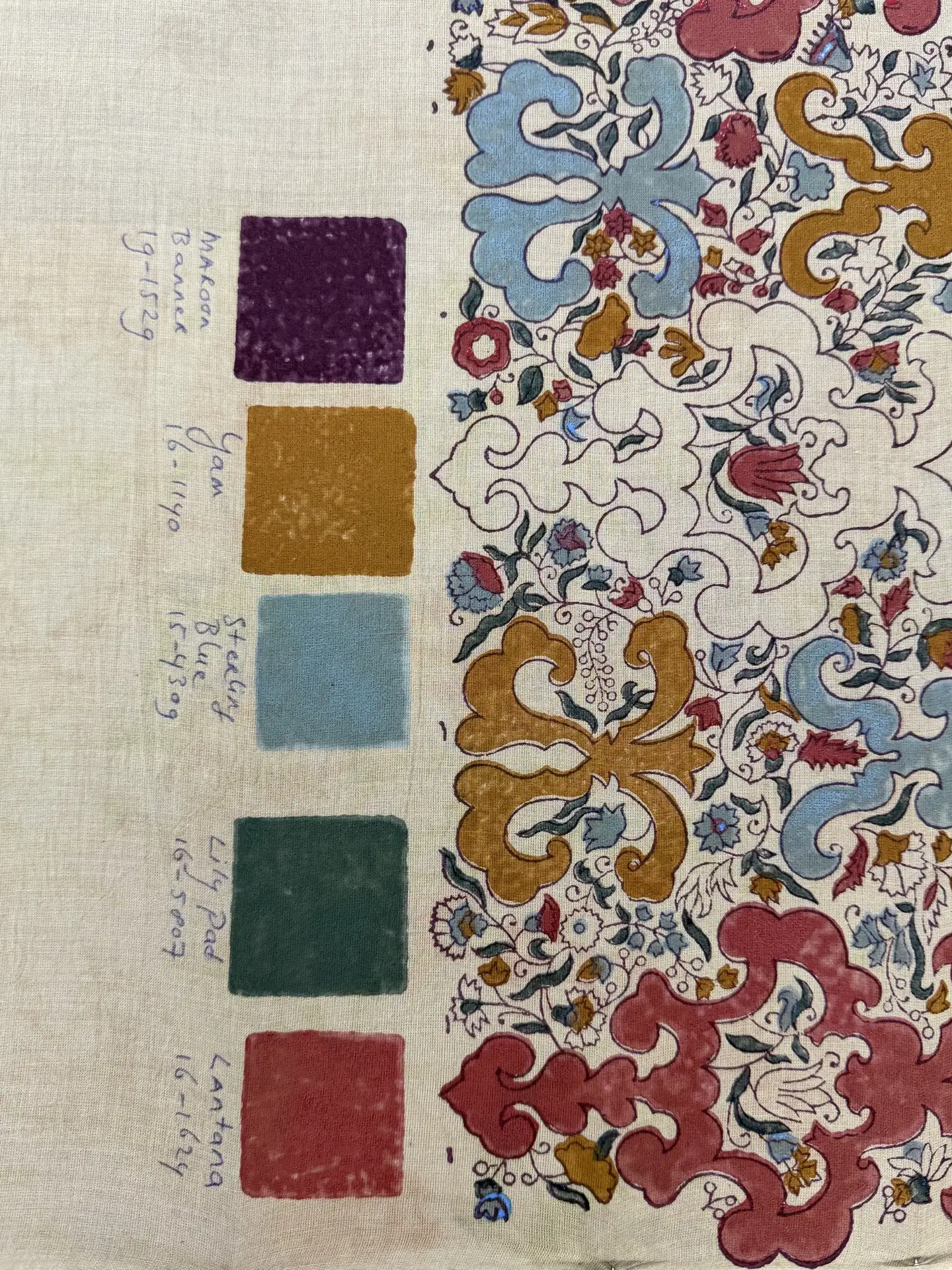
The term ‘block print’ says it all: the technique consists of printing textiles with a wooden block. Patterns are drawn on pieces of wood and then carved with narrow chisels. Indian rosewood (also known as sheesham) is often used for this, because it is a hard wood and therefore well suited to cutting shapes without damaging the block. The finished block looks like a relief work of art, similar to an etching, revealing the shapes of the future print. This is time-consuming work, because each colour of a print requires its own carved block, and these blocks also have to fit together well.
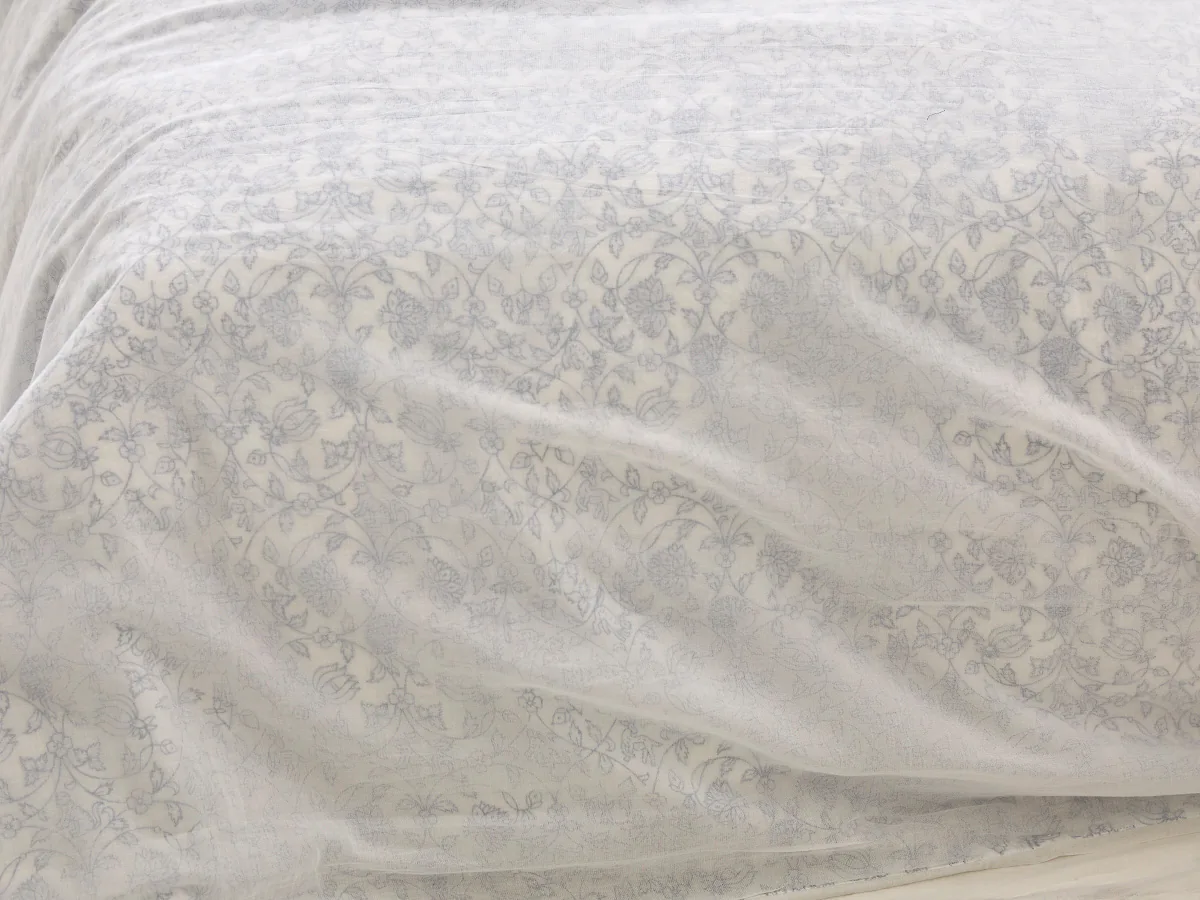
Our summer collection and part of the regular Cotton Cashmere collection are printed using this technique. At Khasto, whatever is not block printed is screen printed: also a craft, and one to which we dedicate a separate article. We opt for block printing because we really love this way of printing - it comes into its own in the seasonal collection in particular, because, unlike in the Cotton Cashmere collection, there is no layer of fabric over it - and because each piece bears the personal signature of the printer and the block carver. The visible craftsmanship and beauty of block printing cannot be replaced by modern printing techniques. Some printers use faster methods that are not applied by hand, such as digital printing with preset 'irregularities', to approximate the aesthetic of block printing.
Not only does this erode traditional techniques and the cultural identity derived from them; the copy is also less alive than a real block print. It lacks depth and warmth. Block printing is also relatively gentle on the environment, because the technique requires virtually no water. This is an extra reason to choose it in pursuit of our sustainability goals. Wearing a block print helps to preserve this craft.
Depending on the desired colour saturation of the print, the printer lays layers of fabric under the fabric to be printed: the harder the surface, the more saturated the colour on the fabric. Sometimes there are more than ten layers of fabric on such a table. Once the fabric has been stretched tightly over the wooden table, which can be 5 to 18 metres long, and pinned along the sides with small needles, printing begins. Although the block printer cannot avoid irregularities, there is only one chance to get it right; otherwise the fabric can no longer be used for cutting and sewing. It therefore takes special skill to place the print consistently in the right spot, and the first print is often just the beginning. It is followed by other blocks, which fill in the remaining colours. A beautiful process, and a pleasure to watch.